Dev log
Piranesi #1
Starting a new project

Piranesi
My (soon to be) brother-in-law lent me a book he loved called Piranesi.
Labyrinths
It’s about a man “trapped” in a labyrinth. The man refers to it as the House, which itself contains halls upon halls of statues where no two are the same except in a mysterious room.
Forbidden Knowledge
The the main character (Piranesi) believes himself to be a scientist discovering its wonders for another captive named the Other.
The Tide
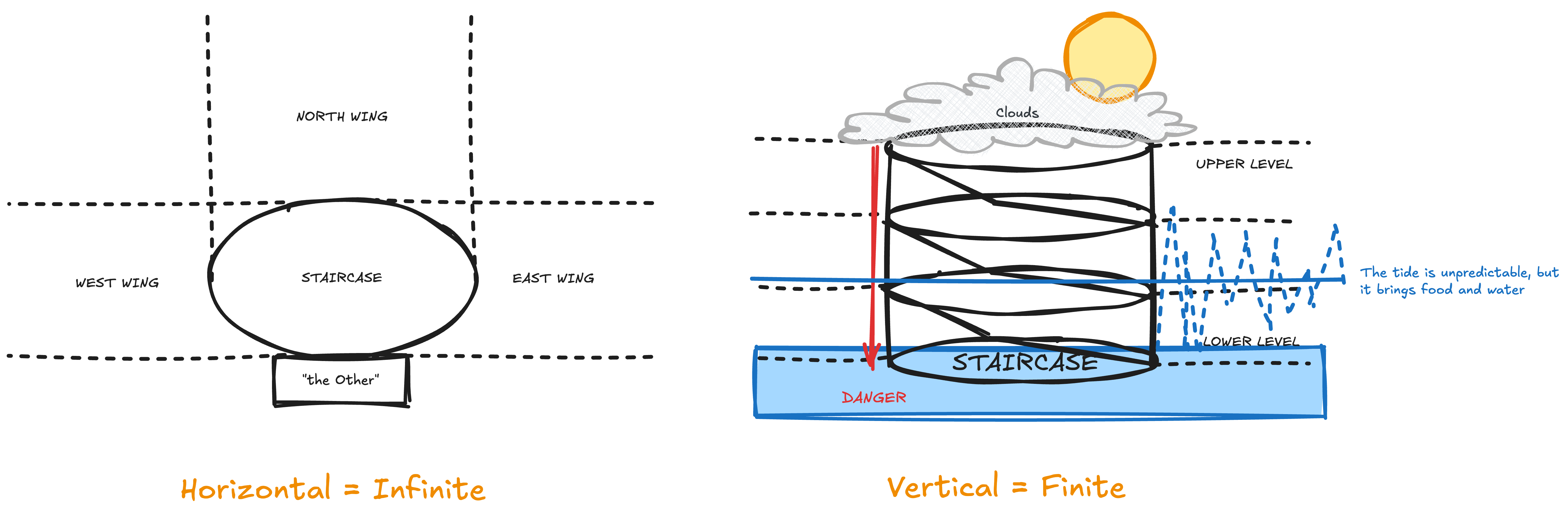
There are no monsters, there are no other people (except the Other), there is just Piranesi, their journal, and the House. But there is danger: a rising and falling tide that floods the halls with water and fish to eat.
A video game
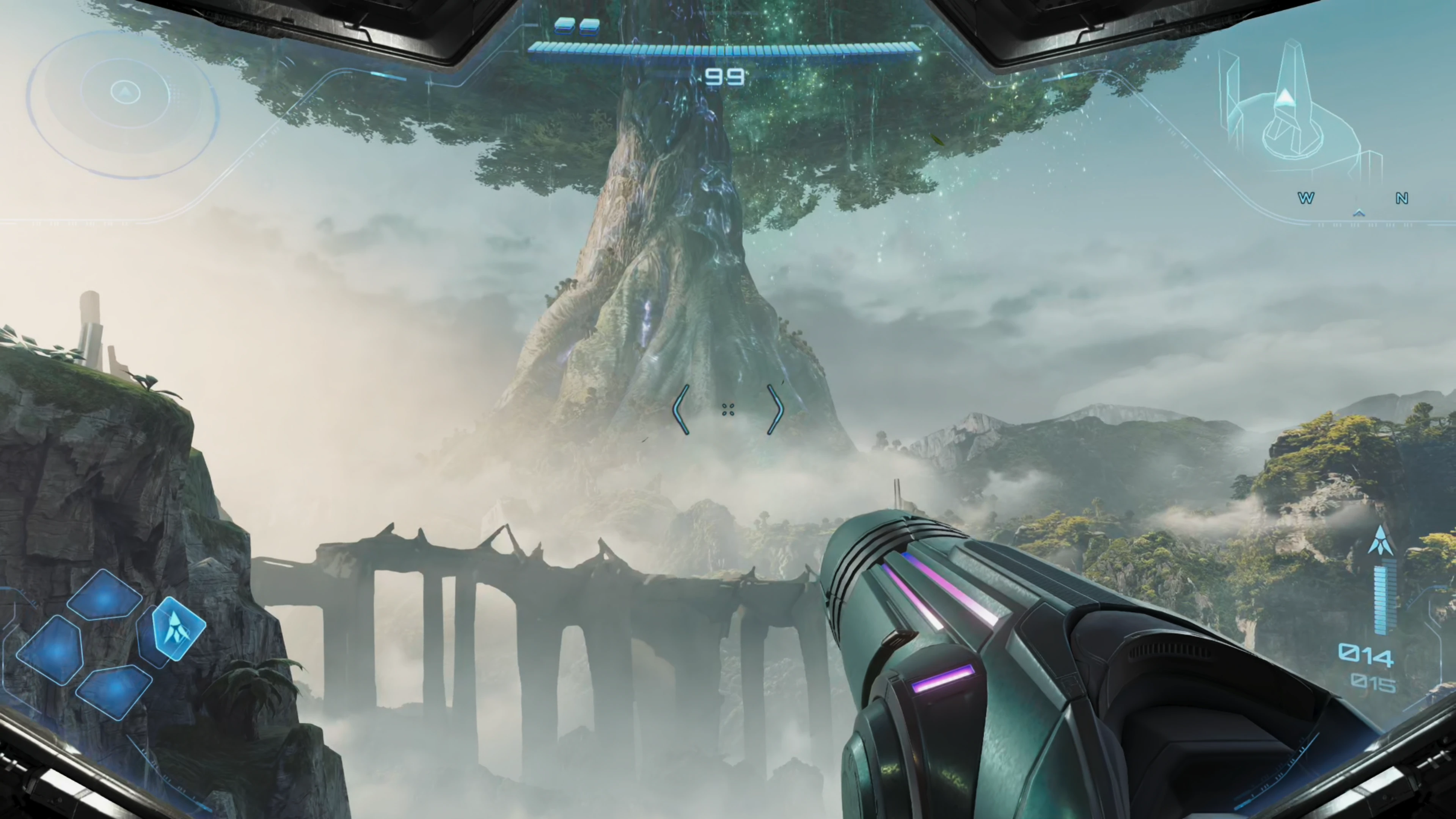
I want to build this as a video game during the break. I love mystery in video games: Metroid Prime was a big part of my childhood. I would make arm-blasters out of knex and run around.
What I love about Metroid Prime is how it puts you in a strange, ancient world and makes you feel like an explorer solving puzzles.
Games like Halo, The Legend of Zelda, Minecraft, Lethal Company, Hollow Knight, and Metroid Prime 4: Beyond aren’t just fun because of their mechanics or action - they’re fun because their worlds are mysterious, immersive, and make you feel like you’re discovering something unknown.
Gameplay
The labyrinth
Imagine a game you can play with your friends: Exploring a vast never-ending labyrinth of statues.
The Other
The Other seen behind the door, develops your photos and gives you more disposable cameras. You do not know his motivation and you assume him to be a captive in this world just the same as you are.
The Halls
The House has effectively infinite halls: you don’t need to search every crevice but the more photos you take of statues the more cameras and gear the Other will give you.
Journals
Throughout the halls you’ll find journals scattered at random. These give you backstory on the main character and help you map out areas you haven’t explored before.
The Round Tower
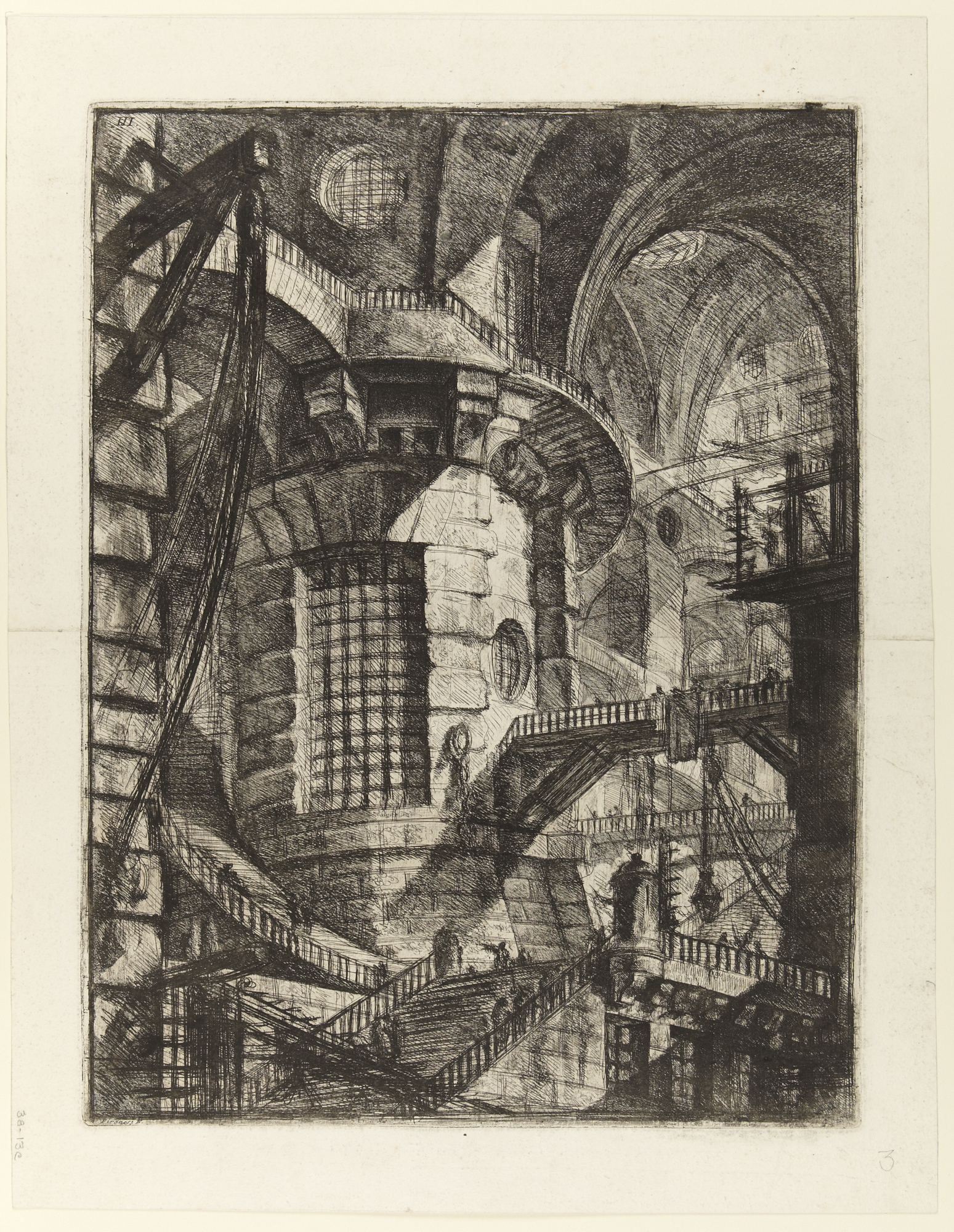
Carceri d’invenzione , often translated as Imaginary Prisons, is a series of 16 etchings by the Italian artist Giovanni Battista Piranesi.
I want to take a lot of inspiration from 18th century etchings like this because I think they ooze mystery. Something about the scale and the never ending walls make for a hypnotizing setting.
Multiplayer
I have never programmed a multiplayer game through Steamworks before but it’s proving to be fairly challenging. I have programmed some simple multiplayer before in my own engine but never anything this complex. It’s intimidating and frankly I’m scared shitless. I might drop the multiplayer aspect and keep it simple.